
Medicinal Cannabis Options
How to Access Medicinal
Cannabis Treatment
Accessing the help you need in three easy steps. As of now, the NHS does not endorse medicinal cannabis, so patients must be prepared to pay for a private prescription.
Book an inital
consultation & complete
a medical questionnaire
Attend your consultation online from the comfort of your own home
Your prescription gets sent to you direct from the pharmacy *
*Prescriptions are subject to a thorough medical review and are assessed on an individual basis.
Understanding Medicinal Cannabis
Medicinal Cannabis works by interacting with the body’s endocannabinoid system (ECS), which regulates various physiological processes such as pain, mood, appetite, and immune function. The primary active compounds in cannabis are cannabinoids, with the most notable being CBD (cannabidiol) and THC (tetrahydrocannabinol). Other therapeutically beneficial ingredients present are terpenes, flavonoids, and stilbenes.
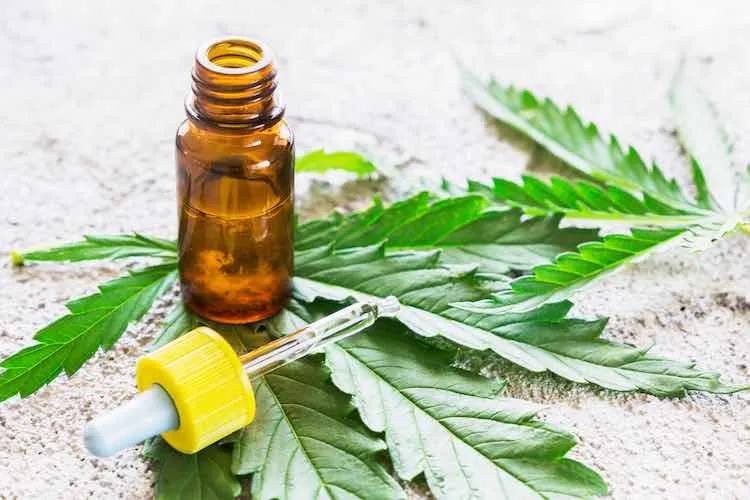
CBD (Cannabidiol):
It’s non -psychoactive,meaning it does not produce a ‘high’ and is commonly used to treat conditions like chronic pain, epilepsy, and anxiety disorders.
THC (Tetrahydrocannabinol):
Medicinal Cannabis:
These can have a balanced ratio of CBD and THC or higher levels of CBD, depending on the condition being treated. Formulated to maximise therapeutic benefits while minimising psychoactive effects.
What We Treat
Medicinal cannabis is increasingly being explored and prescribed as a treatment option for a range of mental health conditions, particularly where traditional interventions have proven insufficient or poorly tolerated. Medicinal cannabis can provide benefit in the following areas:
Anxiety disorders
Post-Traumatic Stress Disorder (PTSD)
Depression
Insomnia and Sleep Disturbances
ADHD
Anxiety related to autism
Substance Use Disorders
OCD
Mental health issues related to Perimenopause, Menopause and Premenstrual Dysmorphic disorder (PMDD)
and women’s health symptoms
Dementia
Suitability and
Side effects
Suitability for Medicinal Cannabis Treatment
Not everyone is a candidate for medicinal cannabis treatment. For instance, individuals with active schizophrenia or certain heart rhythm disorders may not be suitable. Additionally, medicinal cannabis can interact with other medications you may be taking.
Side Effects of Medicinal Cannabis
Some patients who are new to cannabis medicines do feel some side effects with this medicine. Most report that these effects are temporary. Whilst we cannot guarantee no side effects, we have a team on hand to support any concerns you may have.
Overdose on Cannabis
We strongly recommend to keep the medicinal Cannabis use within the prescribed range. Overdosing (consuming more than prescribed) is unlikely to be fatal but can be unpleasant, causing symptoms like palpitations, sweating, dizziness, disorientation, and in severe cases may even
cause serious medical problems such as cardiac pathophysiologies, psychotic reactions and risk of traumatic physical injury.
Use During Pregnancy or Breastfeeding
It is generally advisable for pregnant or breastfeeding women to avoid taking Medicinal Cannabis.
Ensuring Product Safety
When prescribed by a specialist, medicinal cannabis treatment ensures you receive safe, high-quality products. Prescribed medicinal cannabis adheres to EU GMP standards, guaranteeing consistency and quality. These products come with a certificate of analysis, ensuring they contain exactly what is required.
MCT Oil in Cannabis Products
MCT (medium-chain triglyceride) oil is used as a carrier oil to enhance the availability of cannabis after consumption. It is often considered the most effective option, although some brands may use other oils like olive oil. Be mindful of the carrier oil, as some individuals may be allergic to certain oils, such as peanut oil.
